
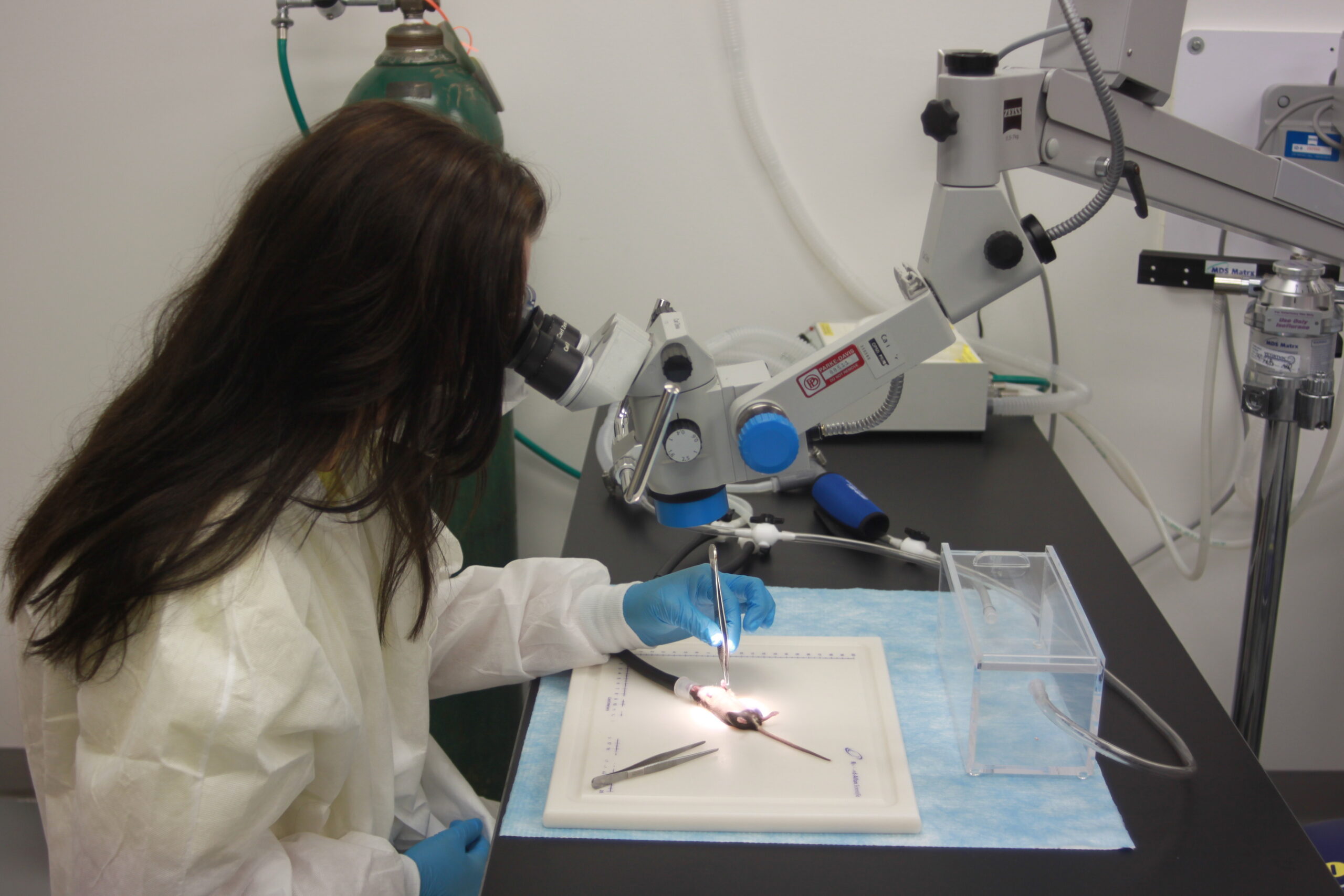
What are in vivo infectious disease in vivo models?
An infectious disease in vivo model is a research system in which animals are experimentally infected with a pathogen to study disease progression, host immune responses, and therapeutic interventions. These models allow investigators to evaluate complex host–pathogen interactions in a living organism, providing insights that cannot be fully replicated in cell culture or other in vitro experimental systems.
Why are in vivo models important in infectious disease research?
In vivo models play a critical role in infectious disease research because they replicate the complex host–pathogen interactions in a living organism. They allow scientists to evaluate pathogen replication, immune responses, tissue pathology, and therapeutic performance simultaneously. This comprehensive biological context helps investigators better understand disease mechanisms and evaluate potential treatments before advancing to clinical trials.
How do investigators choose the right animal model for an infectious disease study?
Selecting an appropriate animal model depends on the pathogen being studied, the similarity of the disease to human infection, and the scientific goals of the study. Researchers consider factors such as host susceptibility, immune system characteristics, disease progression, and available experimental tools to determine which species and model best replicate key aspects of human disease as observed in clinical settings.
What animal species are commonly used in in vivo infectious disease studies?
Several animal species are commonly used in infectious disease research, including mice, rats, hamsters, guinea pigs, rabbits, and nonhuman primates. Mice are often preferred because they are genetically well-characterized, cost-effective, and easy to house in large numbers. They also offer extensive immunological tools and transgenic strains, enabling detailed investigation of host–pathogen interactions, immune responses, and therapeutic efficacy in controlled experimental settings.
Why is model validation important in infectious disease research?
Model validation improves translatability to human disease, ensures experimental reproducibility, and enables accurate assessment of antimicrobial efficacy. Validation typically includes confirming pathogen virulence, disease progression, and relevant experimental endpoints. Well established parameters ensure consistent results across studies—helping researchers generate reliable data that supports clinical development and accelerates the advancement of effective therapies.
How do researchers ensure reproducibility in infectious disease in vivo models?
Reproducibility in infectious disease models depends on strict experimental standardization. Investigators control variables such as pathogen strain, inoculum preparation, infection route, and dosing regimens. Consistent protocols and clearly defined endpoints help minimize variability between studies, allowing researchers to replicate results and generate reliable data that supports translational research and antimicrobial development.
What endpoints are commonly measured in infectious disease in vivo studies?
Common endpoints include survival rates, pathogen burden in tissues, clinical signs of disease, body weight changes, and histopathological analysis. Investigators may also measure immune biomarkers, inflammatory responses, or organ damage. These endpoints provide quantitative and qualitative data that help researchers evaluate disease progression and determine the effectiveness of therapeutic interventions.
How are Infectious Disease in vivo models used to evaluate antimicrobial efficacy?
In vivo infection models allow researchers to assess antimicrobial efficacy by measuring how a therapeutic intervention affects disease outcomes. Investigators typically evaluate reductions in pathogen burden, improvements in survival, or decreased clinical severity following treatment. These studies help identify promising drug candidates and optimize dosing strategies before advancing therapies into clinical trials.
What makes infectious disease in vivo models translationally relevant to humans?
A translationally relevant infectious disease model closely replicates the biological aspects of human infection, including pathogen behavior, immune responses, and clinical symptoms. When models reflect these characteristics, they are more likely to predict how therapies will perform in patients. This improves the reliability of preclinical data used to guide clinical development decisions.
Why do investigators partner with research organizations for infectious disease in vivo models?
Many investigators collaborate with specialized research organizations such as TransPharm Preclinical Solutions to conduct infectious disease studies because these groups provide access to validated in vivo models, experienced scientific teams, and specialized laboratory infrastructure. Partnering with an experienced organization helps ensure rigorous study design, reproducible data, and efficient execution of complex preclinical experiments that support translational research and antimicrobial development.
If you have questions regarding Infectious Disease in vivo models, contact TransPharm Preclinical Solutions to discuss how our validated models can help you evaluate your antimicrobial therapy.