
Blog
Blog
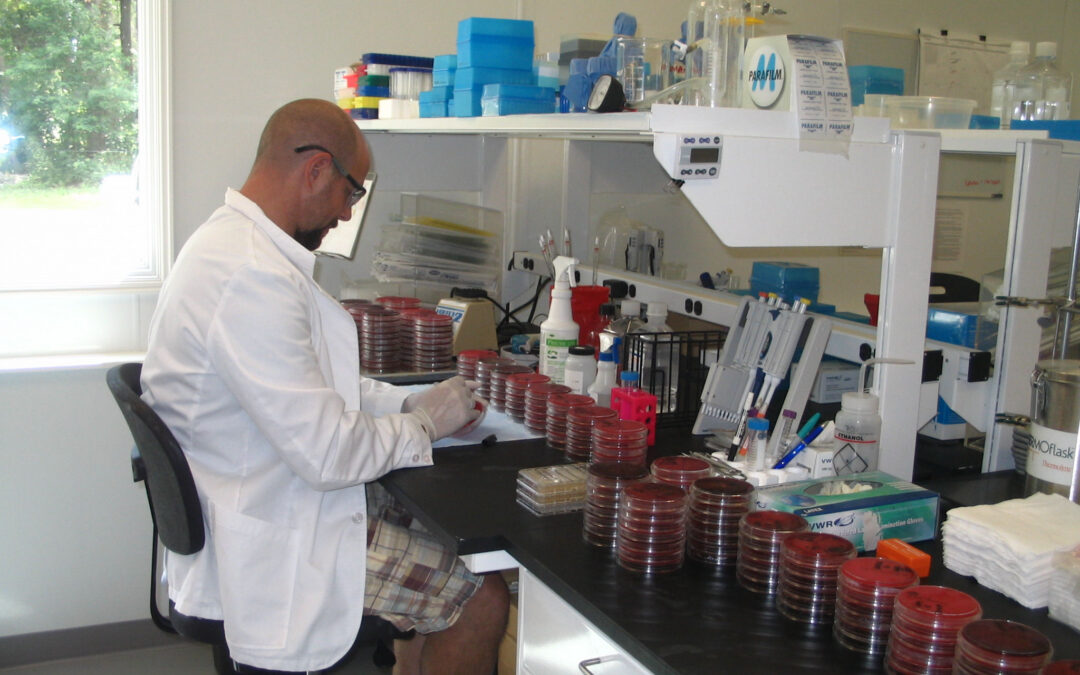
In Vivo Infection Models and Common Mistakes When Choosing Them
In Vivo Infection Models and Common Mistakes When Choosing Them Common mistakes in selecting in vivo models for antimicrobial testing include inappropriate inoculum size, which can exaggerate or mask drug effects; inadequate drug exposure at the infection site,...
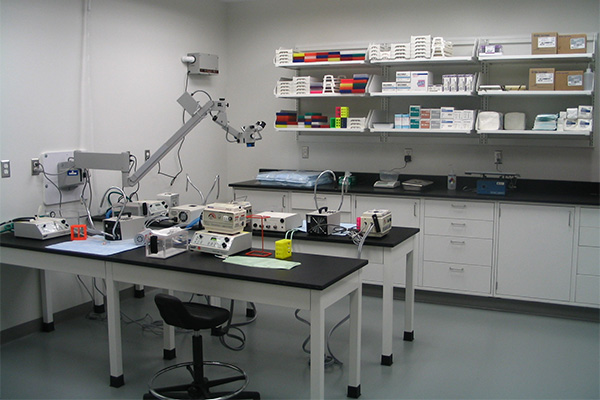
“The Gold Standard” C.L.P. Model
The Cecal Ligation and Puncture (C.L.P.) model is a widely used in vivo method for inducing polymicrobial sepsis in mice. By surgically ligating and puncturing the cecum, the model closely replicates key aspects of human sepsis and is commonly used to evaluate disease...

Key Cost Drivers of In Vivo Infection Models
The cost of an in vivo infection model is influenced by several key variables, including the number and strain of animals used, housing requirements, study duration, dosing routes, and the type and frequency of data collected. Each of these factors impacts labor,...
Small Molecule Drug Discovery
Recent research headlines have placed a heavy focus on biologics, but small molecule discovery is still dominating the pharmaceutical R&D space. In fact, 62% of new drug approvals in 2021 were for small molecules. The reliability and cost-effectiveness of these...
Targetting “Undruggable” Proteins
A protein called Med25, found in human breast cancer cells, was notoriously undruggable. As a transcriptional coactivator, the protein influences gene activation by using its flexible structure to bind to DNA and other proteins inside a cell. But it’s this unstable...
Laser Kills Bacteria
With bacterial resistance a growing concern, scientists are searching for alternatives to antibiotics. Recently, researchers at the Washington University School of Medicine in St. Louis, Missouri discovered a type of laser that can kill multi-drug resistant, disease-causing bacteria and their spores.
‘Spider Web’ Traps Viruses
Researchers have discovered a new immune mechanism that kills pathogens in the respiratory tract by acting like a spider web. Once antibodies bind to some viruses, a type of white blood cell called neutrophils can also bind…and then cause the entire complex to explode. This releases a sticky tangle of DNA which acts as a NET: a neutrophil extracellular trap, keeping the virus from reproducing and infecting more cells. This finding is important because it gives insight into a way that antibodies neutralize viruses, a topic that is still not well-understood.
New Test Identifies Source of Respiratory Infections
When patients present with symptoms such as a cough, runny nose, and fever, doctors are often unable to identify the source of their respiratory illness. However, a new technology developed by scientists at Duke University is able to accurately distinguish between viral and bacterial infections.
Obesity Survival Paradox
Scientists in Sweden performed a population-based study that observed nearly 2,200 adult patients admitted to the hospital with severe bacterial infections. They found that being overweight or obese increased the chances of survival in both the short- and long-term, 28 days and one year after hospitalization, respectively. In fact, while 26% of patients with a normal weight died within a year, only 9-17% of patients with higher BMIs died.
Colistin Pops Bacterial Cell Membranes Like Balloons
New research performed at Imperial College London has revealed that colistin makes holes in bacterial and causes them to pop like balloons. Bacterial cells have two layers, inner and outer membranes. Colistin pierces both of these membranes by targeting specific molecules called lipopolysaccharides (LPS).
CONTACT US