
Bone Model
Osteomyelitis Model
Bone infection models for compounds targeting deep-seated, difficult-to-treat infections.
Osteomyelitis is an infection of the bone. It develops when organisms reach bone through the bloodstream, spread into it from an adjacent soft tissue or joint infection, or are introduced directly by trauma, fracture fixation, or joint replacement surgery. Staphylococcus aureus is the most frequent cause, and coagulase-negative staphylococci, led by Staphylococcus epidermidis, are a leading cause of infection associated with orthopedic implants and prosthetic joints.
Chronic osteomyelitis is among the most difficult bacterial infections to cure. Infected bone loses its blood supply and dies, leaving necrotic fragments that systemically delivered antibiotics cannot easily reach; staphylococci also persist on those surfaces and on implant hardware as biofilm. Standard treatment combines weeks to months of antibiotic therapy with surgical debridement of the infected bone, and infections can still recur even after treatment has appeared to be successful.
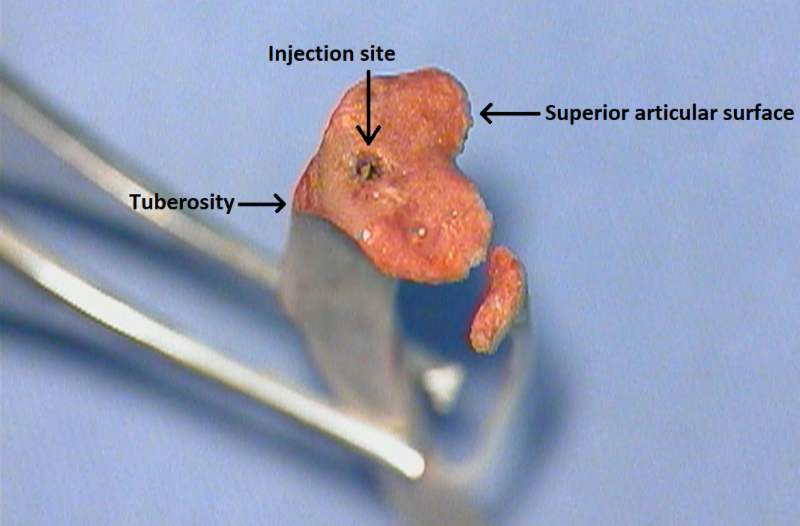
TransPharm Preclinical Solutions’s osteomyelitis model reproduces that chronic state. Bacteria are delivered directly into the bone marrow of the rat tibia without open surgery, the infection is allowed to establish for up to four weeks, and treatment effect is measured as the bacterial burden remaining in the harvested bone.
Research Applications
This model is appropriate when the question is whether a candidate reduces bacterial burden in an established bone infection. The challenge is delivered by injection rather than through a surgical approach, so the model produces bone infection without an incision, fracture, or implant. The tibial burden readout reflects infection established in bone, without a surgical wound as a second site of infection.
Typical uses include:
- Efficacy testing of systemically administered antibacterials against chronic staphylococcal bone infection, with CFU in the harvested tibia as the readout
- Comparison against a standard-of-care agent on the same challenge strain
- Activity against methicillin-susceptible and methicillin-resistant S. aureus within a single model
- Activity against biofilm-forming S. epidermidis, the organism most associated with prosthetic joint and orthopedic device infection
- Programs targeting bone and joint infection indications that need efficacy data from infected bone before moving to the clinic
Osteomyelitis is the bone-compartment model at TransPharm Preclinical Solutions. Where an infection is confined to muscle, the soft tissue model applies; where it involves the skin or an open wound, the dermal models apply.
Scientific Scope
TransPharm Preclinical Solutions has validated the osteomyelitis model with the following pathogens:
- Staphylococcus aureus – ATCC 49230 (UAMS-1, MSSA), ATCC BAA-1556 (USA300, MRSA), ATCC BAA-1756 (USA300, MRSA), Strain 3527
- Staphylococcus epidermidis – ATCC 35984 (RP62A), ATCC 51625
The S. aureus roster is anchored by a bone isolate. ATCC 49230, also known as UAMS-1, is a methicillin-susceptible strain isolated from a patient with chronic osteomyelitis, and it is a standard strain in experimental osteomyelitis research. ATCC BAA-1556 (strain FPR3757) and ATCC BAA-1756 (USA300-0114) both belong to USA300, the predominant community-associated MRSA lineage in the United States. With methicillin-susceptible and methicillin-resistant strains validated in the same model, a program can test whether a candidate’s activity in bone holds across both phenotypes without changing models.
The S. epidermidis roster covers the device-associated side of bone infection. ATCC 35984, also known as RP62A, was isolated from a catheter-associated bloodstream infection and is a reference strain for staphylococcal biofilm research. Biofilm infection is where in vitro susceptibility testing most often overstates in vivo efficacy: bacteria in a biofilm tolerate antibiotic concentrations well above the MIC of the same strain grown in broth, so a burden readout from infected bone provides information that an MIC cannot.
Additional validations are available on request, and client-supplied isolates can be characterized and validated in the model before a study begins.
The osteomyelitis model carries the same add-on measurements available across all in vivo work at TransPharm Preclinical Solutions, each available on request:
- Pharmacokinetic profiling and PK/PD analysis
- Blood chemistry
- Additional tissue harvests
- Histopathology
In this model, histopathology of the tibia adds a structural record of bone inflammation and destruction alongside the CFU count. All studies run in an AAALAC-accredited facility.
Study Design
Procedure
Animals are challenged by intraosseous injection of the selected pathogen into the cancellous bone marrow, through the anterior surface of the proximal tibia. The procedure is non-surgical. The infection is allowed to establish for up to four weeks, producing a chronic bone infection. Studies are run in rats. Challenge strain, host strain, comparator agents, and dosing schedule are configured to the scientific question.
Routes of Administration
Test article may be administered by oral gavage (PO), or by intravenous (IV) or intraperitoneal (IP) injection, so systemic exposure can be delivered by the oral or intravenous route a program intends to use clinically.
Endpoints
The primary readout is CFU burden in the harvested tibia, giving a quantitative, log-scale measure of treatment effect at the site of infection. Histopathology of the tibia, pharmacokinetic profiling, blood chemistry, and additional tissue harvests can be added to any study on request.